
Connolly Dental is a dental clinic in the Connolly suburb of Perth that offers denture services for patients requiring tooth replacement solutions.
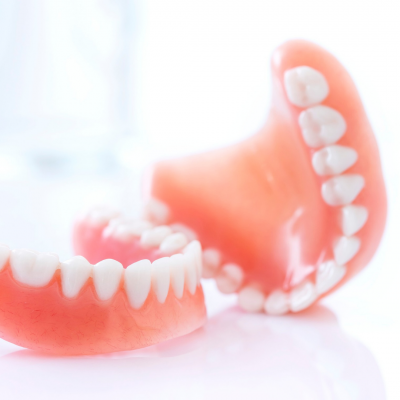
What are dentures?
Dentures are removable prosthetic devices designed to replace missing teeth. They are supported by the surrounding oral tissues including gums and remaining bone structure. Conventional dentures can replace some or all missing teeth, depending on individual needs.
Dentures may be recommended when:
- Multiple teeth are missing or require removal
- Remaining teeth cannot adequately support fixed bridges
- Bone or gum support is insufficient for dental implants
- A removable option is preferred for personal or practical reasons
Types of Dentures Available
There are a few denture options, we’re here to help you make informed decisions about tooth replacement. Different denture types address varying levels of tooth loss and individual circumstances.
| Complete Dentures | Partial Dentures | Implant-Supported Dentures |
|---|---|---|
| Replace all teeth in upper or lower jaw | Replace some missing teeth | Secured by dental implants |
| Rest on gums and bone | Attach to remaining natural teeth | Anchored to implants in jawbone |
| Held by suction and muscles | Use clasps or precision attachments | Fixed or removable options available |
| Typically least expensive initially | Moderate initial cost | Higher initial investment required |
| May affect speech and eating initially | Less impact on remaining teeth | Enhanced chewing stability when successful |
| Bone loss may continue over time | Depends on health of supporting teeth | May help preserve jawbone structure |
| No surgery required | No surgery required | Surgical procedure necessary |

Complete Dentures
Complete dentures replace all teeth in the upper or lower jaw when no natural teeth remain. Key characteristics include:
- Rest directly on gum tissue and underlying bone structure
- Retained by suction, oral muscle control, and properly fitting borders
- Require adjustment period for eating, speaking, and daily function
- May need regular professional adjustments as mouth changes
- Bone remodelling beneath denture can affect fit and comfort over time
- No surgery required for placement
- Typically the most economical initial option

Partial Dentures
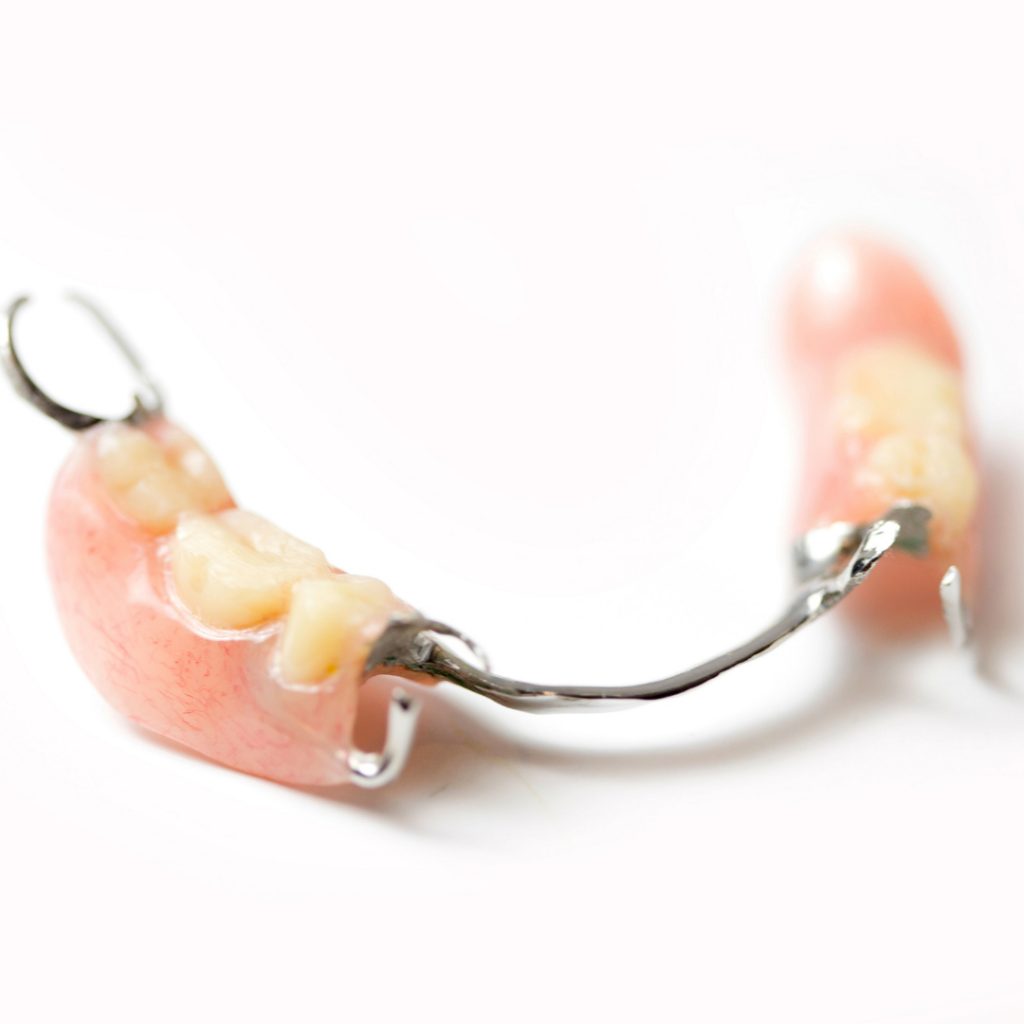
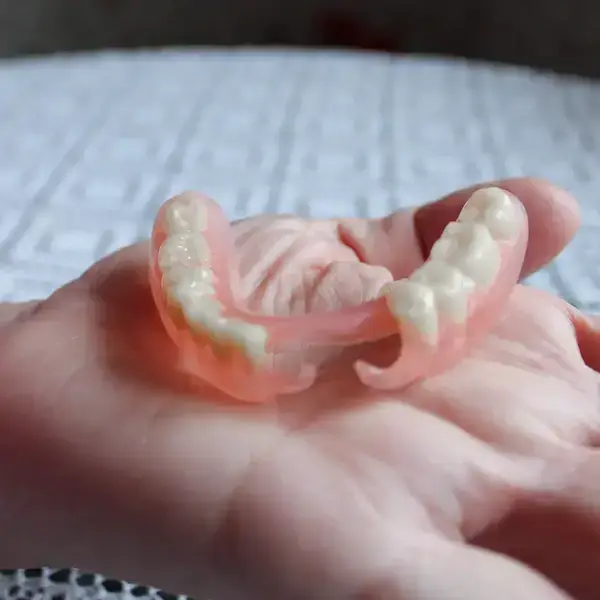
Partial dentures replace some missing teeth while preserving remaining natural teeth. Treatment considerations include:
- Use metal clasps, precision attachments, or flexible materials for retention
- Connect to existing teeth for stability and support
- Success depends on health and stability of remaining supporting teeth
- Allow removal for cleaning both denture and natural teeth
- Help prevent remaining teeth from shifting position
- May require adjustments as supporting teeth or mouth changes
- Regular maintenance of both prosthetic and natural teeth essential
Implant-Supported Dentures
Implant-supported dentures are secured by dental implants surgically placed into the jawbone. Important factors include:
- Require surgical procedure for implant placement
- Need adequate bone density and volume for successful integration
- Longer treatment timeline including surgical and healing phases
- Enhanced stability and chewing function when successful
- May help preserve remaining jawbone structure
- Higher initial investment compared to conventional dentures
- Require good overall health for surgical healing
- Available as fixed or removable options
Professional assessment determines suitability for each denture type based on factors including oral health, bone support, medical history, lifestyle considerations, and budget. Each approach has different maintenance requirements, expected adjustment periods, and long-term considerations that should be discussed during consultation.
How to Care for and Maintain Your Dentures
Proper denture care helps maintain oral health, extends denture lifespan, and supports comfort during daily use. Individual maintenance needs and experiences vary based on denture type, oral anatomy, and personal factors.
Daily Care Routine
Follow these steps consistently for optimal denture maintenance:
- Remove and rinse dentures after eating to remove food particles
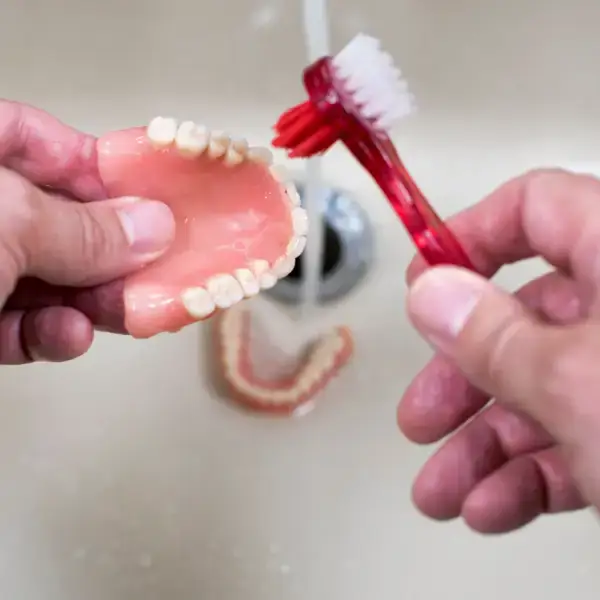
- Clean dentures daily with appropriate cleanser
- Use a soft-bristled denture brush or regular soft toothbrush
- Clean all denture surfaces including areas that contact gums
- Rinse thoroughly after cleaning to remove cleanser residue
- Clean your mouth, gums, and any remaining teeth after removing dentures
- Handle dentures over a towel or basin of water to prevent breakage if dropped
Cleaning Products Guide
| Safe to Use | Avoid Using |
|---|---|
| Denture cleaning tablets or solutions | Regular toothpaste (too abrasive) |
| Soft-bristled denture brush | Hard-bristled toothbrushes |
| Mild dish soap (occasionally) | Bleach or whitening products |
| Denture-specific whitening products | Abrasive cleaning powders |
| Cool or lukewarm water | Hot or boiling water |
| Professional denture cleaners | Alcohol-based mouthwashes |
Storage and Handling
| Proper Storage Practices | Storage Mistakes to Avoid |
|---|---|
| Store in denture soaking solution overnight | Leaving dentures to dry out |
| Use fresh solution daily | Reusing old soaking solution |
| Store in clean water if no solution available | Storing in hot water |
| Keep storage container clean | Using dirty or contaminated containers |
| Remove dentures while sleeping | Sleeping with dentures in regularly |
| Handle over soft surface or water | Handling over hard surfaces |
Professional Maintenance
Regular professional care helps maintain proper fit and identifies potential problems early. Schedule routine dental visits as recommended, typically every 6 months or as advised by your dentist. Professional maintenance includes checking denture fit, examining oral tissues for irritation or changes, assessing bite relationships, and making adjustments as needed. Your dentist can also perform professional cleaning and identify when repairs or replacements may be necessary.
Eating Guidelines
Dietary adjustments help protect dentures and improve comfort:
- Start with soft foods and gradually introduce firmer textures
- Cut food into smaller pieces and chew slowly
- Distribute chewing evenly on both sides
- Avoid very hard foods (ice, hard lollies, nuts)
- Be cautious with sticky foods (caramel, chewing gum)
- Allow hot foods and drinks to cool before consuming
Troubleshooting Common Issues
| Problem | Possible Solutions | When to See Dentist |
|---|---|---|
| Sore spots or irritation | Remove dentures temporarily, rinse with salt water | Irritation persists beyond 2-3 days |
| Loose or slipping dentures | Use denture adhesive temporarily | Persistent looseness requires adjustment |
| Difficulty eating | Start with softer foods, smaller pieces | No improvement after adjustment period |
| Speech difficulties | Practice speaking, read aloud | Speech problems persist after 4-6 weeks |
| Bad taste or odour | Improve cleaning routine, fresh soaking solution | Problems continue despite better hygiene |
| Visible cracks or chips | Stop wearing immediately | Seek repair immediately |
Adjustment Period
New denture wearers typically experience an adaptation phase during which eating, speaking, and comfort gradually improve. This process varies significantly between individuals and may take several weeks to months. Initial challenges such as increased saliva production, minor speech changes, and eating difficulties are common and usually resolve with time and practice.
Individual maintenance experiences, adjustment periods, and denture longevity vary significantly based on denture type, oral anatomy, bone support, oral hygiene habits, and lifestyle factors. Professional guidance helps establish appropriate care routines for your specific situation and denture type.

Dentures FAQs
Considering dentures to replace missing teeth? These removable prosthetic devices can restore basic oral function when multiple teeth are absent. Below are answers to commonly asked questions about types, care, and expectations with denture treatment.
Individual denture experiences, fit, comfort, and outcomes vary significantly based on oral anatomy, bone support, muscle coordination, and individual adaptation. A comprehensive consultation is required to assess your suitability and discuss realistic expectations for denture treatment.
Several denture types are available depending on individual needs:
- Complete dentures: Replace all teeth in upper or lower jaw
- Partial dentures: Replace some missing teeth while preserving remaining natural teeth
- Implant-supported dentures: Secured by dental implants for additional stability
The denture process typically includes:
- Initial consultation and oral health assessment
- Impressions and bite registration appointments
- Try-in appointments for fit and appearance verification
- Final fitting and delivery
- Follow-up appointments for adjustments
The process usually requires multiple appointments over several weeks. If extractions are needed, healing time is required before final dentures can be made. Individual treatment timelines and experiences vary based on healing and case complexity.
Dentures typically require replacement or significant adjustments every 5-10 years due to:
- Normal wear of denture materials
- Changes in jawbone shape over time
- Changes in oral tissues and gum contours
- Bite changes affecting fit and function
Regular professional maintenance helps optimise longevity and function. Some patients may need more frequent adjustments or earlier replacement. Individual denture longevity varies significantly based on care, oral health changes, and individual factors.
Eating with dentures typically involves an adjustment period. Common experiences include:
- Starting with soft foods and gradually introducing firmer textures
- Learning to chew differently than with natural teeth
- Some foods may remain challenging to eat
- Possible changes in taste sensation initially
- Need for smaller bite sizes and more thorough chewing
Individual adaptation to eating with dentures varies significantly. Some patients adapt quickly while others require longer adjustment periods or ongoing dietary modifications.
Denture costs vary based on several factors:
- Type of dentures (partial vs complete, conventional vs immediate)
- Materials used in construction
- Number of appointments required
- Need for preliminary treatments or extractions
- Follow-up adjustments and maintenance
Some health insurance plans provide partial coverage for dentures. At Connolly Dental Boutique, we discuss costs during consultation and can provide information about payment options. Individual treatment costs vary based on specific requirements.
Proper denture care includes:
- Daily cleaning with denture cleanser (not toothpaste)
- Soaking overnight in denture solution or water
- Gentle handling to avoid dropping or damage
- Regular cleaning of gums and remaining teeth
- Professional cleaning and examination as recommended
- Prompt attention to any sore spots or fit problems
Proper care helps maintain denture function and oral health. Individual maintenance requirements and experiences vary based on denture type and individual factors.
Dentures: Removable, typically less expensive initially, can replace multiple teeth, may require adjustments over time.
Dental implants: Fixed in place, surgical procedure required, higher initial cost, may provide more stable chewing function when successful.
Bridges: Fixed option for fewer missing teeth, require healthy adjacent teeth for support, not removable.
Each option has different benefits, limitations, costs, and suitability requirements. Individual suitability and outcomes vary significantly for all tooth replacement options based on oral health and individual circumstances.
COMPLIANCE, AUTHORSHIP & REVIEW
Authorship/Review: Content reviewed by Dr Lily (DEN0001820641), registered dentist – Last reviewed: 31 August 2025. Medical information disclaimer: This page provides general information and is not a diagnosis. You will receive personalised advice after an examination. You may wish to seek a second opinion. Images: Clinical images are of our own patients with consent for advertising use. Outcomes vary. Advertising notes: No testimonials, inducements or guarantees are used. Therapeutic devices are described neutrally and factually. Comments/reviews are disabled on this page.