
Connolly Dental Boutique is a dental clinic in the Connolly suburb of Perth that offers dental crowns and bridges for patients requiring tooth restoration and replacement solutions.
Dental crowns and bridges are fixed prosthetic restorations that are cemented onto existing teeth or dental implants. Crowns are used to cover and protect damaged, weakened, or extensively restored teeth, as well as to cover dental implants. Bridges replace missing teeth by using adjacent teeth or implants as support structures.
These custom-made restorations are designed to restore function and appearance. Individual treatment outcomes, fit, and longevity vary based on oral health, maintenance, and individual factors.
what are dental crowns and bridges?
A dental crown is a tooth-shaped cap, typically made from porcelain or porcelain combined with other materials, that covers the portion of a tooth above the gum line. Crowns are used to restore the structure and function of teeth that have sustained damage, fractures, or extensive decay.
Crowns may be recommended when teeth have large cavities, significant wear, cracks from trauma or old fillings, or following root canal treatment. The crown encases the prepared tooth to provide structural support and may help prevent further damage or the need for extraction.
Crowns are custom-made to fit over the prepared existing tooth and are cemented permanently in place. The treatment process typically involves tooth preparation, impressions or digital scanning, and placement of the final restoration.
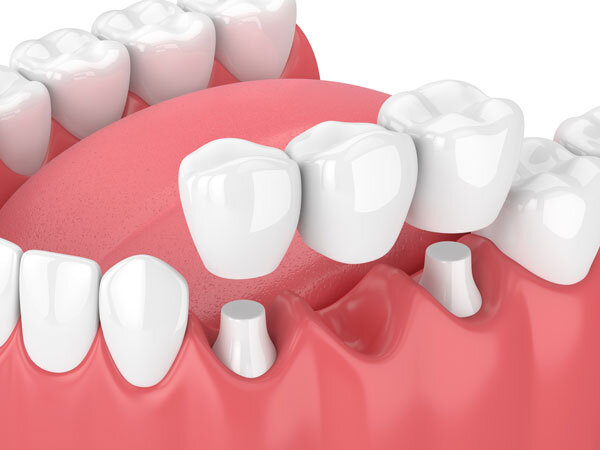

What are the Advantages of a Dental Bridge?
When teeth are missing, adjacent teeth may shift into the empty space, and opposing teeth can move toward the gap. This movement may affect bite alignment and chewing function.
Potential benefits of dental bridges may include:
- Maintaining proper spacing between remaining teeth
- Restoring chewing function in the affected area
- Preventing movement of adjacent and opposing teeth
- Supporting facial structure in the treatment area
Treatment Process: Treatment typically requires multiple appointments. During the first visit, the supporting teeth are prepared by reshaping them to accommodate crowns. Digital scans or impressions are taken for laboratory fabrication. A temporary bridge protects the prepared teeth during the fabrication period.
At the second appointment, the temporary bridge is removed and the permanent bridge is fitted and cemented. Additional adjustments may be required to achieve proper fit and comfort.
Considerations: The procedure involves permanently altering the supporting teeth. Some discomfort, sensitivity, or swelling may occur during healing. Patients typically need to modify their diet temporarily while adjusting to the new restoration.
Individual treatment outcomes, comfort levels, adjustment periods, and long-term success vary significantly based on oral health, bite forces, and individual healing response.
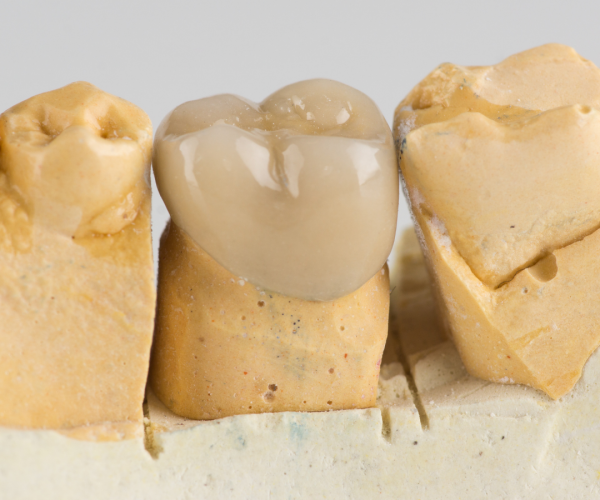
How to Care for Your Dental Bridge
Dental bridges require ongoing maintenance and proper care to support their longevity and function. Following recommended care practices is essential for maintaining oral health around the restoration.
Daily care recommendations:
- Brush twice daily with a soft-bristled toothbrush and fluoride toothpaste
- Clean under the bridge daily using floss threaders, interdental brushes, or specialized bridge floss
- Use an antimicrobial mouthwash if recommended by your dentist
Professional care:
- Attend regular dental checkups and professional cleanings as recommended
- Have your bridge examined for fit, function, and surrounding tissue health
- Address any concerns or discomfort promptly
Lifestyle considerations:
- Avoid chewing hard substances such as ice or hard lollies that may damage the restoration
- Be cautious with sticky foods that may dislodge the bridge
- Consider using a nightguard if you grind or clench your teeth
Our Promise to You
At Connolly Dental, we understand that a healthy and beautiful smile can boost your confidence and self-esteem. That’s why we offer high-quality dental crowns and bridges that can restore your damaged or missing teeth, and enhance your smile. Our experienced dentists use state-of-the-art digital technology to create a customised treatment plan that fits your unique needs and goals.
Our Cosmetic dental treatments
what are other alternatives for dental bridges?
There are several alternatives to dental bridges that can be considered based on individual needs and circumstances.
One option is a dental implant, which involves placing a metal post into the jawbone to support a replacement tooth. This can be a good choice for patients who want a long-term solution that is more independent of adjacent teeth and has a natural look and feel.
Another option is a partial denture, which is a removable appliance that replaces one or more missing teeth. This can be a good choice for patients who are not good candidates for dental implants or who prefer a less invasive and more affordable option.
cost of dental crown and Bridge
The cost of a dental crown in Perth can vary depending on various factors such as the type of crown, the materials used, and the dentist’s experience.
However, it’s best to consult with our dental professional to get an accurate estimate of the cost of a dental crown for your specific situation. We offer payment plans or financing options to help make the cost of dental crowns more manageable.
Dental Crowns and Bridges FAQs
Crowns may be recommended for teeth that are extensively damaged, weakened by large fillings, fractured, or following root canal treatment. They can also cover dental implants or address significant structural concerns.
Individual suitability and treatment needs vary based on tooth condition and individual circumstances.
The cost varies depending on materials used, treatment complexity, and individual case requirements. Single crowns typically cost less than bridges, which involve multiple units.
Dr Lily Taheri (DEN000XXXXXX) Registered dentist, general registration, will discuss specific costs and payment options during your consultation. Treatment costs vary based on individual needs and chosen materials.
Local anaesthesia is used during treatment to minimise discomfort. Some sensitivity or mild discomfort may occur during healing and adjustment periods. Pain medication may be recommended if needed.
Individual comfort levels, sensitivity, and healing experiences vary based on individual pain tolerance and healing response.
A dental bridge consists of crowns on supporting teeth connected to replacement teeth that fill the gap. Bridges are custom-made to match your existing teeth in colour, shape, and size as closely as possible.
Individual appearance outcomes, colour matching, and aesthetic results vary based on existing teeth characteristics and individual factors.
Crowns and bridges can potentially last many years with proper care and maintenance. Longevity depends on factors including oral hygiene, bite forces, grinding habits, and the condition of supporting structures.
Individual longevity varies significantly. Some restorations may require repair, adjustment, or replacement sooner than others due to various factors.
Potential risks include sensitivity, loosening, chipping, decay around margins, gum irritation, or need for root canal treatment. Supporting teeth may develop problems over time requiring additional treatment.
Bridge failure can occur due to decay in supporting teeth, cement failure, or structural issues. Regular dental visits help identify problems early.
Individual risk levels and complication rates vary based on oral health, maintenance, and individual factors.
Bridges: Fixed in place, supported by adjacent teeth or implants, cannot be removed by the patient, require healthy supporting structures.
Dentures: Removable, rest on gums, typically less expensive initially, can replace multiple teeth without affecting other teeth, may require adhesives.
Individual suitability and treatment outcomes vary for both options based on oral health, bone support, and individual preferences.
Alternatives may include dental implants, removable partial or complete dentures, or no treatment depending on the situation. For damaged teeth, alternatives might include large fillings or extractions.
Each option has different benefits, limitations, costs, and suitability requirements. Individual treatment suitability and outcomes vary depending on specific circumstances.
COMPLIANCE, AUTHORSHIP & REVIEW
Authorship/Review: Content reviewed by Dr Lily (DEN0001820641), registered dentist – Last reviewed: 31 August 2025. Medical information disclaimer: This page provides general information and is not a diagnosis. You will receive personalised advice after an examination. You may wish to seek a second opinion. Images: Clinical images are of our own patients with consent for advertising use. Outcomes vary. Advertising notes: No testimonials, inducements or guarantees are used. Therapeutic devices are described neutrally and factually. Comments/reviews are disabled on this page.
